
Timeshare Presentation Travel Deals: How to Get Discounted Vacations (Without Getting Pressured)
Our Timeshare Presentation Deals and Timeshare Vacation Deals gets you access to hundreds of Timeshare Deals and Timeshare Promotion Deals aka Timeshare Vacations. Get ready to travel and create wonderful experiences of a lifetime.
Welcome to The Occasion Vacation Center the Timeshare Presentation Deals Company with the best Timeshare Presentation Deals in the industry and Timeshares Offers for All Inclusive Vacation Package Company that offers timeshare presentation deals to some of the most popular destinations for timeshare vacations such as Orlando, Florida; Las Vegas, Nevada; Myrtle Beach, South Carolina; Branson, Missouri; Daytona Beach, Florida; Williamsburg, Virginia; Gatlinburg, Tennessee; and
All Inclusive Vacation Packages to Cabo San Lucas, Mexico; Puerto Vallarta, Mexico; Cancun, Mexico and many more destinations.
We Bring Resort Developers & Travelers Together for Timeshare Promotions, Timeshare Presentation Deals & Timeshare Vacations at Deeply Discounted Rates for Families to Get-A-Way And Enjoy Time Together.
Timeshare Vacations
Answer First: Are Timeshare Presentations a Legit Travel Hack?
Yes, but only if you walk in with a plan and the discipline to say no.
Timeshare presentations remain one of the most underutilized travel hacks heading into 2025. Consider this real-world comparison: a 4-night stay at a Hilton Grand Vacations Club property in Las Vegas typically runs $249 through a presentation package, while the same room booked at standard rates could cost $150–$200 per night—that’s $600–$800 before resort fees and taxes. You’re looking at potential savings of $400 or more, plus incentives like 15,000 Hilton Honors bonus points or a $150 prepaid Visa card.
Our platform operates as a one-stop shop aggregating timeshare presentation offers from the Big Three—Hilton Grand Vacations, Club Wyndham, and Marriott Vacation Club—plus more than 30 other developers. You’ll find deals spanning Orlando, Las Vegas, Myrtle Beach, Hawaii, Cancun, Breckenridge, and dozens of other destinations. The rest of this article breaks down exactly how presentations work, where the best offers are, a side-by-side developer comparison, qualification requirements, and how to survive the sales pitch without signing anything you’ll regret.
Pros vs. Cons in 30 Seconds:
Pros Of Timeshare Tours
- Save 50–80% on 3–4 night stays in prime destinations
- Stack perks: gift cards, loyalty points, attraction tickets
- Spacious resort accommodations with kitchens and multiple bedrooms
- Access to pools, water parks, and resort amenities
Cons Of Timeshare Tours
- Presentations often run 2–3+ hours, not the advertised 90 minutes
- High-pressure sales tactics can feel uncomfortable
- Strict eligibility requirements (age, income, relationship status)
- Leaving early can void your discounted rate
Timeshare Resort Developers




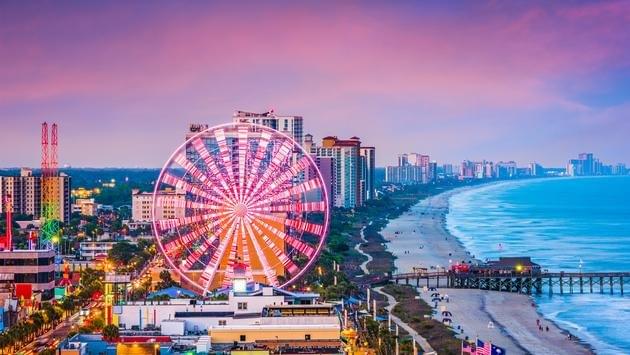













Orlando Florida

Las Vegas

Cabo San Lucas
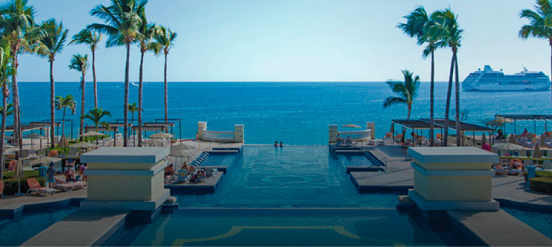
Cancun

Montego Bay
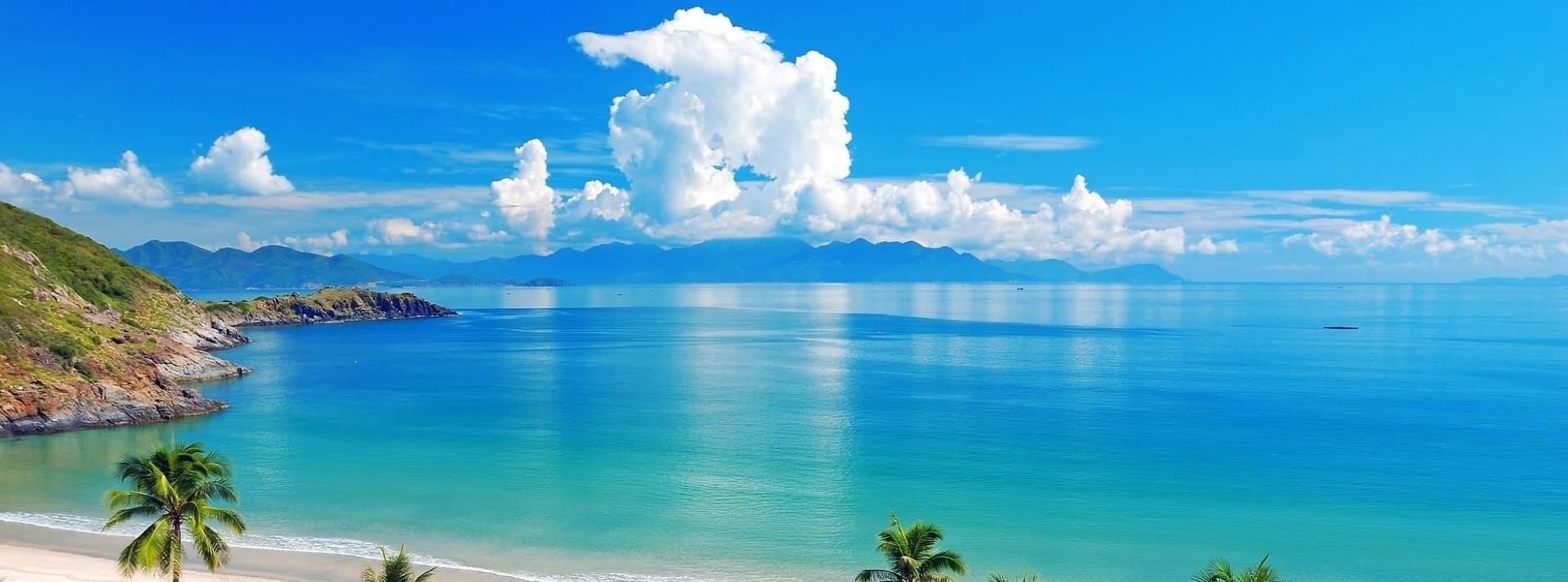
Punta Cana
What Is a Timeshare Presentation (in Plain English)?
A timeshare is essentially shared vacation property access—either through a deeded week at a specific resort or a points-based membership that lets you book stays across multiple properties. Think of it as fractional ownership of vacation real estate, whether that’s a condo near Disney World in Orlando, a beachfront unit in Oahu, or a golf resort in Cabo San Lucas.
A timeshare sales presentation is the live pitch where developers try to sell you this vacation ownership product in exchange for letting you stay at their property at a steep discount. The entire experience is engineered to convert your vacation aspirations into a long-term financial commitment.
How a typical presentation day unfolds:
Check-in (15–30 minutes): You arrive at the hospitality room, show ID and credit card, and sign acknowledgment forms confirming you’ll attend the full presentation to receive your perks.
Warm-up and breakfast (20–40 minutes): A sales person (often a licensed real estate agent) chats with you over complimentary food, asking about your family, travel habits, and “dream vacations.”
Group presentation (20–30 minutes): A charismatic speaker presents the brand story, often with a polished video showing exotic destinations and happy families.
Property tour (30–45 minutes): You walk through model units—spacious condos with full kitchens, multiple bedrooms, and impressive resort amenities.
The closing pitch (30–90+ minutes): Back at your table, the sales representatives present specific pricing, financing options, and “today-only” deals. If you decline, a manager may step in with a revised offer.
Checkout: Once you’ve said no enough times, you receive your gift card, points, or voucher confirmation.
Realistic timing expectations: Most presentations are pitched as 90 minutes. In reality, expect 2–3 hours. Weekend sessions and holiday periods like Memorial Day or Labor Day can stretch even longer as sales teams push harder.
Common incentives include:
Free or heavily discounted 3–4 night stays ($199–$349 range)
Prepaid Visa or Mastercard gift cards ($100–$200)
Loyalty bonus points (15,000 Hilton Honors, 5,000 Marriott Bonvoy)
Theme park tickets, show passes, or restaurant vouchers
Single guests can often attend alone, while couples (married or cohabiting long-term) are typically required to attend together to qualify.
Current Timeshare Presentation Offers & Destinations (Orlando, Las Vegas, Myrtle Beach & More)


Comparison: Major Timeshare Developers & What Their Presentation Deals Look Like
The Big Three vacation ownership companies—Hilton Grand Vacations, Club Wyndham, and Marriott Vacation Club—dominate the industry. Here’s how their timeshare presentation offers typically compare:
Hilton Grand Vacations (HGV):
Typical package: $249–$349 for 3–4 nights in Las Vegas, Orlando, or Myrtle Beach
Common perks: 15,000–50,000 Hilton Honors bonus points, prepaid Visa cards ($100–$200)
Presentation style: Polished and professional, but persistent closers; expect multiple “manager offers” if you decline
Best for: Hilton Honors loyalists who can leverage points across the Hilton hotel ecosystem
Notable destinations: Las Vegas Strip, Orlando (near theme parks), Hawaii (Big Island, Oahu), Tuscany Village in Orlando
Club Wyndham (Wyndham Destinations):
Typical package: $199–$299 for 3–4 nights, with savings up to 80% off retail rates
Common perks: Up to $200 Mastercard prepaid cards, resort credits
Presentation style: High-volume, systematized sales operations; among the most frequently discussed by exit firms for aggressive closing
Best for: Budget-conscious travelers wanting maximum destination flexibility
Notable destinations: Orlando, Smoky Mountains/Gatlinburg, Myrtle Beach, Branson, Las Vegas
Marriott Vacation Club (MVC):
Typical package: $299–$399 for 3–4 nights in Orlando, South Florida, or ski resorts
Common perks: 5,000+ Marriott Bonvoy points, resort credits
Presentation style: Upper-mid-market approach; less overtly aggressive than Wyndham but still sales-driven
Best for: Marriott Bonvoy members seeking quality family-friendly properties
Notable destinations: Orlando (near Disney), Palm Beach, Vail, Hawaii
Our platform puts these Big Three side by side so you can evaluate which is best for your hotel brand loyalty preferences and preferred destinations.
Developer of Resorts
Hilton Grand Vacations
Typical Package Price
$249 - $349
Common Perks/ Offers
15,000 - 50,000 Hilton honor Points, $100 - $200 Gift Card
Key Destinations for Presentations
Orlando, Las Vegas, Myrtle Beach, Hawaii
Developer of Resorts
Club Wyndham
Typical Package Price
$199 - $299
Common Perks/ Offers
Up to $200 Mastercard, resort credits
Key Destinations for Presentations
Orlando, Gatlinburg, Branson, Myrtle Beach
Developer of Resorts
Marriott Vacation Club
Typical Package Price
$299 – $399
Common Perks/ Offers
5,000+ Bonvoy points
Key Destinations for Presentations
Orlando, South Florida,
ski resorts
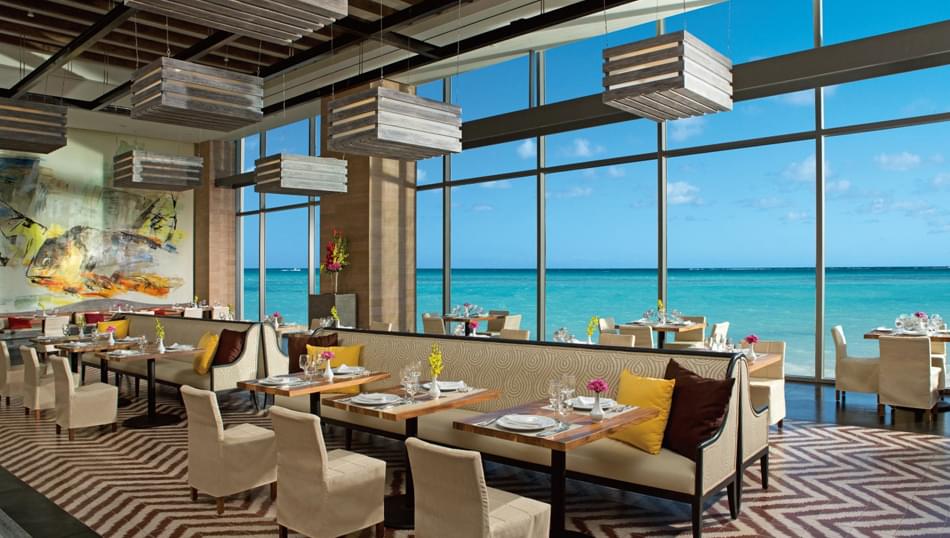
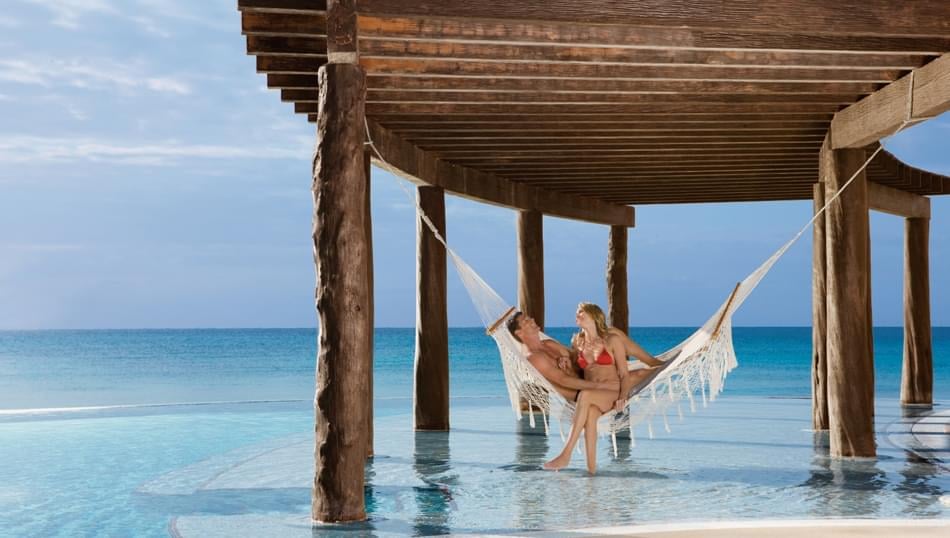
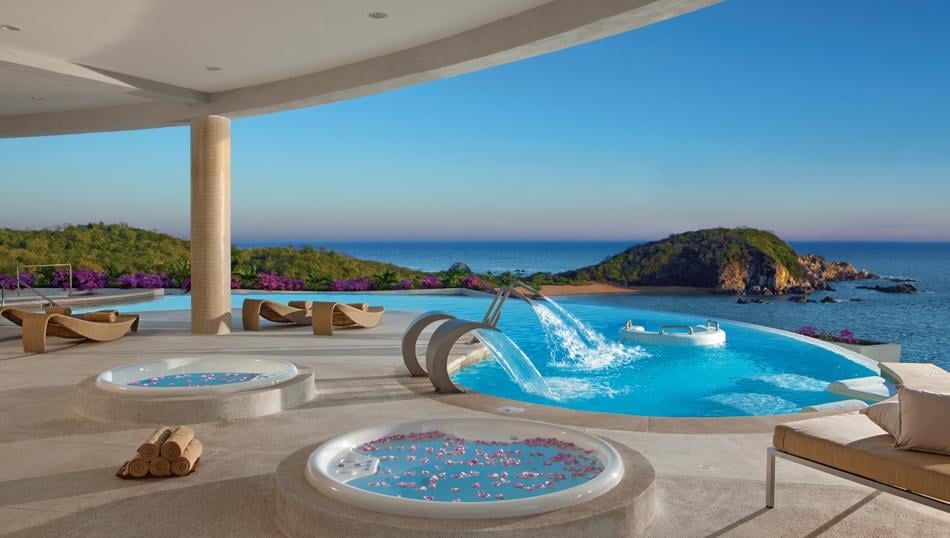
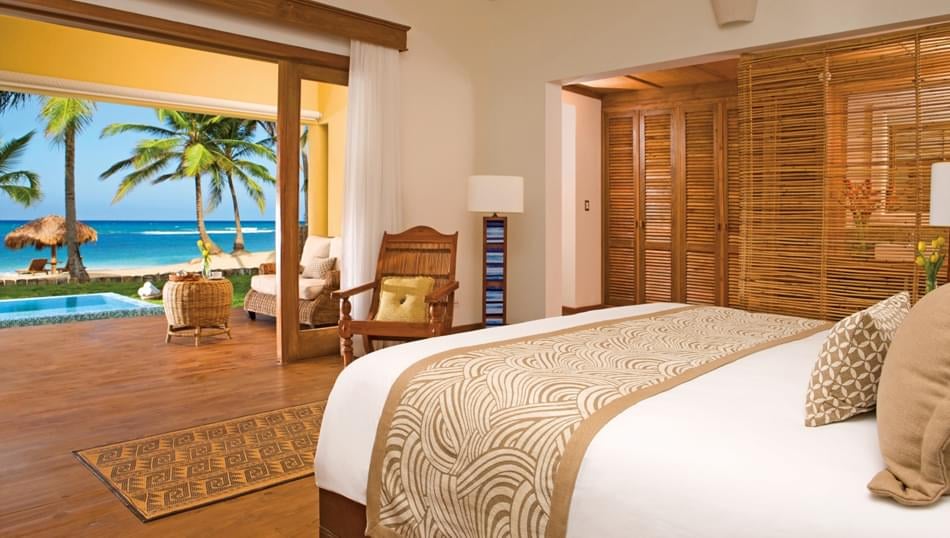
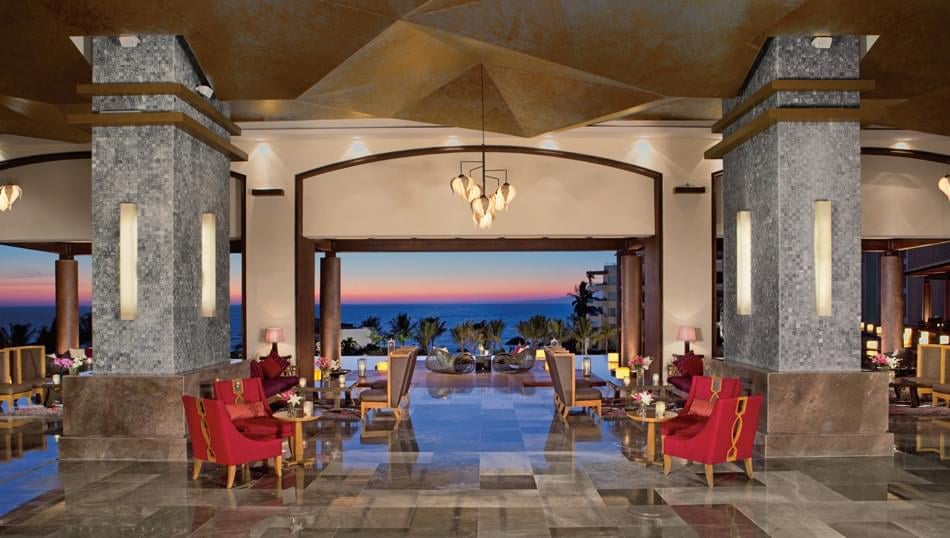
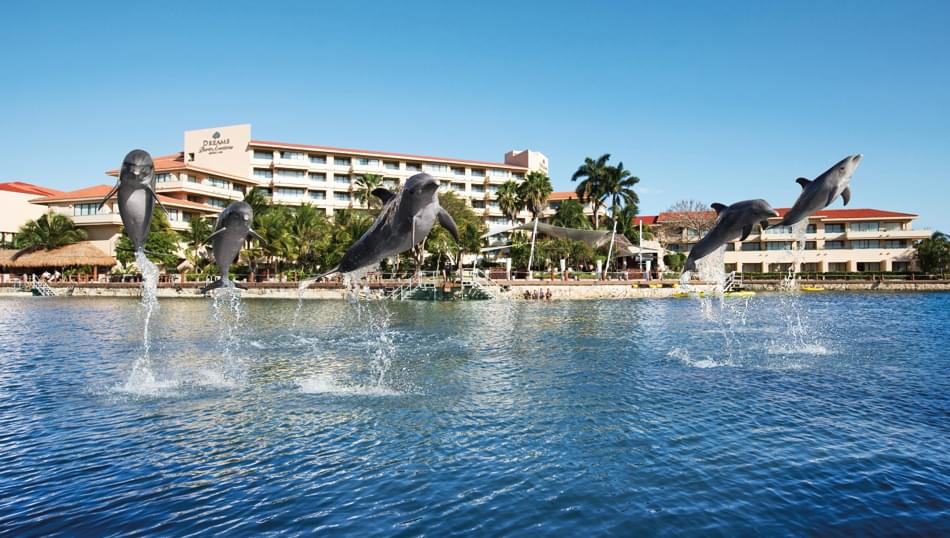
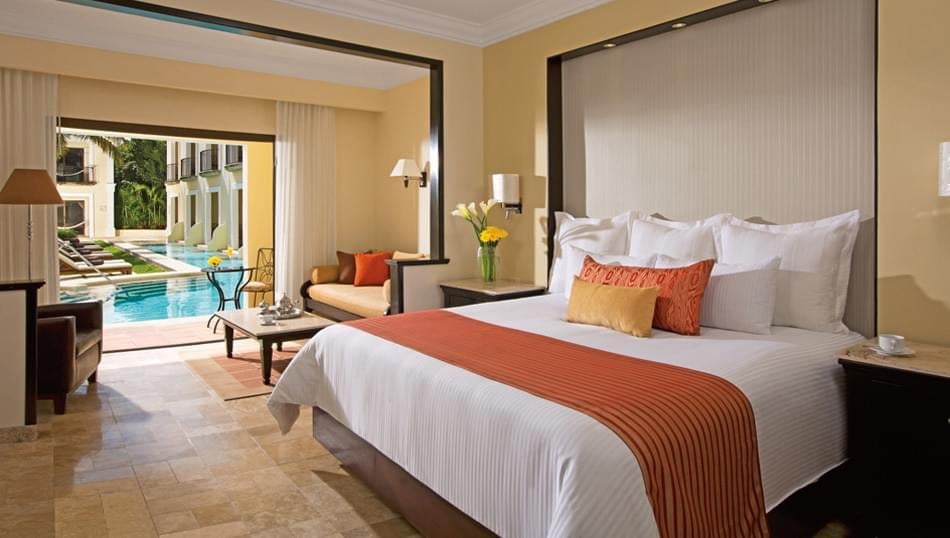
All Inclusive Resorts





Regional and Specialty Brands Our Platform Covers:

Brand Category
Beach/Coastal
Resort Developers
Boardwalk Resorts, Grand Palms Resorts, Spinnaker Resorts, Strand Capital Group, Divi Resorts, Palmera Vacation Club
Primary Regions
Atlantic City, Myrtle Beach, Hilton Head, Caribbean
Brand Category
Mountain/Ski
Resort Developers
Breckenridge Grand Vacations, Vacation Internationale, Grand Pacific Resorts
Primary Regions
Colorado, Pacific Northwest, California
Brand Category
Mexico/Caribbean
Resort Developers
Vida Vacations, Fiesta Americana Vacation Club, El Cid Resorts, Royal Resorts, Royal Holiday Vacation Club, Unlimited Vacation Club, Raintree Resorts International
Primary Regions
Cancun, Riviera Maya, Cabo San Lucas, Puerto Vallarta
Brand Category
Hawaii/Pacific
Resort Developers
Somerpointe Resorts, Anantara Vacation Club
Primary Regions
Oahu, Maui, Big Island, Thailand, Bali
Brand Category
Multi-Region
Resort Developers
Capital Vacations, Holiday Club Vacations, InnSeason Resorts, StarPoint Resort Group, Paradise Vacation Club, Star Island Resort & Club
Primary Regions
Various U.S. locations
Each brand specializes in different regions. Vida Vacations and Unlimited Vacation Club focus on Mexico with lavish all-inclusive properties. Breckenridge Grand Vacations centers entirely on Colorado ski destinations. InnSeason Resorts serves New England travelers with four-season appeal.
Our platform acts as a one-stop shop for all these developers’ timeshare presentation promotions, letting you filter by brand, country (U.S., Mexico, Caribbean, Europe, Asia), and travel dates


How to Get the Perks Without Regretting the Experience
These strategies help you maximize savings while minimizing pressure:
Your Script Strategy:
Decide in advance on one clear explanation: “We never make same-day financial decisions” or “Our travel style is too unpredictable for this”
Repeat this calmly whenever pressured
Don’t engage with counterarguments—just restate your position
“That’s interesting, but we’re still not making any decisions today”
The Non-Negotiable Rule:
Never sign or pay anything on the spot
If you’re unexpectedly interested, take all paperwork back to your room
Research resale prices for the same property (often 10–20% of developer pricing)
Read owner forums for real maintenance fee histories
Sleep on it—informed decisions require time
Maximize Your Perks:
Use all included amenities: pools, hot tubs, resort activities, breakfast vouchers
Redeem show tickets or attraction passes included in your package
Treat the presentation time as the “cost” of your discounted stay
Plan your schedule so presentation day isn’t your only fun day
Protect Your Incentives:
Get written confirmation or a voucher at the end proving you completed the required presentation
Keep a copy of all paperwork you signed at check-in
Note the name of your sales person and manager
Walking out early will likely void all timeshare incentives
For some of the best Clearwater Fl hotels offering discounted rates in exchange for attending a timeshare presentation, check out this deal.
Know Your Rescission Rights:
Florida: 10 calendar days to cancel after signing
Nevada: 5 calendar days
Mexico: 5 business days (verify in writing—enforcement varies)
Always ask for rescission period details in writing before signing anything
This cooling-off period exists specifically because purchases happen under pressure
Using Our One-Stop Platform to Find & Compare Timeshare Presentation Deals
Instead of visiting each developer’s website separately—Hilton Grand Vacations, Club Wyndham, Marriott Vacation Club, Disney Vacation Club, Bluegreen, Westgate, Diamond/Hilton, Vida Vacations, and 25+ more—our platform lets you discover and compare all current presentation offers in one interface.
Platform Features:
Filter by destination: Orlando, Las Vegas, Myrtle Beach, Branson, Hawaii, Cancun, Cabo, Breckenridge, Europe, Asia-Pacific
Filter by travel dates: Select specific months to see what’s available
Filter by trip length: 2, 3, or 4-night packages
Filter by accommodation type: On-site resort vs. partner hotel
Filter by developer brand: Compare Big Three offerings or explore regional specialists
What Each Listing Shows:
Estimated nightly cost after incentives
Included perks (gift cards, loyalty points, attraction tickets)
Required presentation duration
Eligibility rules (age, income, marital status, citizenship)
Direct comparison to standard booking rates
Stay Current:
Listings updated regularly for 2024–2025 offers
Check whether a specific deal actually beats booking with hotel points or cash
Compare across developers taking advantage of the same destination
Ready to Save on Your Next Vacation?
Browse current deals on our platform to compare vacation packages side by side. Filter by your preferred destination, check eligibility requirements upfront, and decide whether a presentation-based trip makes sense for your family. The savings can be substantial—tens of thousands over multiple trips—if you walk in prepared and walk out without a contract.
Whether you’re planning a theme park adventure near Disney World, a weekend on the Las Vegas Strip, a beach getaway in Myrtle Beach, or an all-inclusive escape to Mexico, our platform helps you find timeshare presentation offers worth sitting through.

Top Destinations
Alexandria Virginia
Orlando Florida
Clearwater Florida
Cocoa Beach Florida
Destin Florida
Daytona Beach Florida
Ft. Lauderdale Florida
Miami South Beach Florida
Panama City Florida
Palm Springs California
Lake Tahoe California
Sedona Arizona
Scottsdale Arizona
Myrtle Beach South Carolina
Branson Missouri
Las Vegas Nevada
Smoky Mountains Tennessee
Pigeon Forge Tennessee
Gatlinburg, Tennessee
Virginia Beach Virginia
Williamsburg Virginia
Charleston South Carolina
Wisconsin Dells Wisconsin
Orlando Florida
Clearwater Florida
Cocoa Beach Florida
Destin Florida
Daytona Beach Florida
Ft. Lauderdale Florida
Miami South Beach Florida
Panama City Florida
Palm Springs California
Lake Tahoe California
Sedona Arizona
Scottsdale Arizona
Myrtle Beach South Carolina
Branson Missouri
Las Vegas Nevada
Smoky Mountains Tennessee
Pigeon Forge Tennessee
Gatlinburg, Tennessee
Virginia Beach Virginia
Williamsburg Virginia
Charleston South Carolina
Wisconsin Dells Wisconsin
Europe
U. S. Destinations
Boyne Falls, Michigan
Branson, Missouri
Charleston, South Carolina
Cocoa Beach, Florida
Daytona Beach, Florida
Fort Lauderdale, Florida
Gatlinburg, Tennessee
Hilton Head, South Carolina
Kennebunk, Maine
Kissimmee, Florida
Las Vegas, Nevada
Miami, Florida
Murrells Inlet, South Carolina
Myrtle Beach, South Carolina
New Smyrna Beach, Florida
Branson, Missouri
Charleston, South Carolina
Cocoa Beach, Florida
Daytona Beach, Florida
Fort Lauderdale, Florida
Gatlinburg, Tennessee
Hilton Head, South Carolina
Kennebunk, Maine
Kissimmee, Florida
Las Vegas, Nevada
Miami, Florida
Murrells Inlet, South Carolina
Myrtle Beach, South Carolina
New Smyrna Beach, Florida
New York City, NY
North Conway, New Hampshire
Ocean City, Maryland
Orlando, Florida
Ormond Beach, Florida
Phoenix, Arizona
Pigeon Forge, Tennessee
Poconos, Pennsylvania
Rockland, Maine
San Antonio, Texas
Shenandoah, Virginia
St. Augustine, Florida
St. Petersburg, Florida
Virginia Beach, Virginia
Williamsburg, Virginia
Wisconsin Dells, Wisconsin
North Conway, New Hampshire
Ocean City, Maryland
Orlando, Florida
Ormond Beach, Florida
Phoenix, Arizona
Pigeon Forge, Tennessee
Poconos, Pennsylvania
Rockland, Maine
San Antonio, Texas
Shenandoah, Virginia
St. Augustine, Florida
St. Petersburg, Florida
Virginia Beach, Virginia
Williamsburg, Virginia
Wisconsin Dells, Wisconsin
Southeast Asia
Mexico & Caribbean
Akumal, Mexico
Cabo San Lucas, Mexico
Cancun, Mexico
Cozumel, Mexico
Georgetown, Cayman Islands
Grand Bahama, Bahamas
Guanacaste, Costa Rica
Huatulco, Mexico
Isla Mujeres, Mexico
Islands of Loreto, Mexico
Ixtapa, Mexico
Loreto, Mexico
Mazatlan, Mexico
Montego Bay, Jamaica
Nuevo Vallarta, Mexico
Panama City, Panama
Playa Del Carmen, Mexico
Puerto Adventuras, Mexico
Puerto Morelos, Mexico
Puerto Penasco, Mexico
Puerto Plata, Dominican Republic
Puerto Vallarta, Mexico
Punta Cana, Dominican Republic
Riviera Maya, Mexico
San Jose Del Cabo, Mexico
Simpson Bay, St. Maarten
Tulum, Mexico
Willimestad, Curacao
Cabo San Lucas, Mexico
Cancun, Mexico
Cozumel, Mexico
Georgetown, Cayman Islands
Grand Bahama, Bahamas
Guanacaste, Costa Rica
Huatulco, Mexico
Isla Mujeres, Mexico
Islands of Loreto, Mexico
Ixtapa, Mexico
Loreto, Mexico
Mazatlan, Mexico
Montego Bay, Jamaica
Nuevo Vallarta, Mexico
Panama City, Panama
Playa Del Carmen, Mexico
Puerto Adventuras, Mexico
Puerto Morelos, Mexico
Puerto Penasco, Mexico
Puerto Plata, Dominican Republic
Puerto Vallarta, Mexico
Punta Cana, Dominican Republic
Riviera Maya, Mexico
San Jose Del Cabo, Mexico
Simpson Bay, St. Maarten
Tulum, Mexico
Willimestad, Curacao
Australia & India
Exploring the Best Timeshare Vacation Packages for Timeshare Presentation Offers
Lorem ipsum dolor sit amet, consectetur adipisicing elit. Autem dolore, alias, numquam enim ab voluptate id quam harum ducimus cupiditate similique quisquam et deserunt, recusandae.
Exploring Timeshare Getaway Packages and Exclusive Timeshare Presentation Deals
Timeshare presentation deals getaway packages have become a popular avenue for travelers seeking exceptional vacation experiences through exclusive timeshare presentation deals. Whether it's the allure of free timeshare vacation packages in 2025 or the sought-after Los Cabos timeshare promotions, the landscape of vacation ownership opportunities has evolved significantly, offering a myriad of enticing timeshare vacation deals.


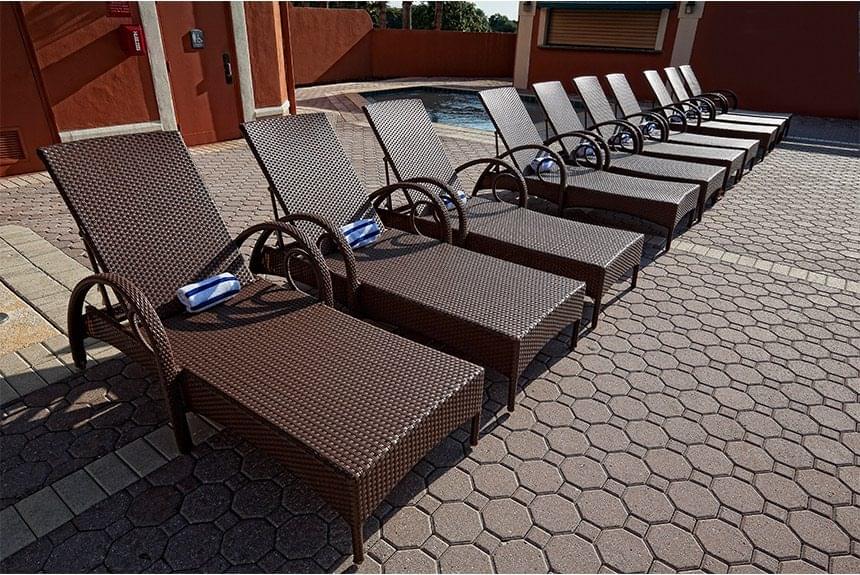
To get access to a travel concierge and to receive vacation discounts without a timeshare is sought out by many travelers.
This advertising material is being used for the purpose of soliciting sales of vacation ownership interests or plans.
Seller of Travel License #ST40789